
🌿 Thoughts from Ms. Vivi’s Desk ✨ December Edition: “A Month of Magic, Memories & Meaning”


❄️ It’s December — my most favorite time of the year! ✨ Twinkling lights, family laughter, the sweet smell of baking cookies, and the first day of winter create a month full of wonder and magic. 🎄
Across the world, families celebrate holidays that remind us how our hearts can shine with the bright light of love and kindness. 💕 So whether you’re lighting the menorah 🕎, gathering around a kinara 🖤❤️💚, trimming a tree 🎄, or simply enjoying the crisp winter air ☃️ — this issue is packed with ideas to celebrate the beauty and love of the season together. 🌟


December really is a season of light—and a beautiful chance to help children see that families everywhere celebrate in their own special ways. Some light candles, others hang twinkling lights, and some gather around glowing fires or kinaras. The customs may look different, but the message is the same: love, kindness, and togetherness.
As adults, we set the tone for how children view the world. When we talk about and honor different traditions, we’re helping them learn empathy, respect, and curiosity—all skills that make classrooms and communities warmer, more welcoming places.


❄️Read Together:
Choose picture books that share different celebrations My Family Celebrates Kwanzaa (Lisa Bullard), Latke, the Lucky Dog (Ellen Fischer), Light the Lights! (Margaret Moorman), or The Shortest Day (Wendy Pfeffer).
❄️Talk About Similarites and Differences:
Ask, “What’s something their family does that’s like ours?” and “What’s something new you learned?”
❄️Make & Share:
Cook a simple treat, create an ornament, or make cards for a neighbor or local shelter. Helping others brings the meaning of the season to life.
❄️Shine Your Own Light:
Encourage each child to share what makes their family special traditions, songs, foods, or stories.


The world of early learning is growing and changing—just like our children! 🌱
Today’s classrooms and playrooms look different from the ones we remember, but at their heart, they hold the same goal: to help children discover who they are and how they learn best. From balancing technology and play, to nurturing emotional intelligence and celebrating cultural diversity, education in this new era is about connection, curiosity, and community.
This month, we’re looking at what’s shaping early childhood education right now and how parents, caregivers, and teachers can carry these ideas into everyday life at home or in school.

💻 Tech with Intention: Finding the Right Balance
Once upon a time, “screen time” was something to limit. Now, technology—when used with intention—can help children learn, explore, and connect.
Interactive storytelling apps, virtual field trips, and creative projects can blend digital engagement with hands-on play. The key is balance: using technology as a tool for connection, not as a replacement for real-world experiences.
At Kinder Garden Academy Virtual Classroom, we model this by combining meaningful online learning with offline enrichment. Children sing, move, and create while developing early literacy and math skills. Technology enhances curiosity and confidence when paired with authentic, joyful learning.
💡 Try This at Home:
Watch a short educational video or story together, then extend it offline! If you read or watch something about penguins, build a snow habitat from cotton balls and cardboard. Linking digital to tactile learning helps reinforce new ideas in real-world ways.

💖 Feelings First: Building Emotional Strength
The strongest foundation for learning begins with connection. When children feel safe, loved, and heard, they thrive—both in school and in life.
Social and Emotional Learning (SEL) helps children build empathy, resilience, and self-regulation—skills that last far beyond preschool. This season, take time to notice when your child shows patience, generosity, or joy, and celebrate those moments aloud.
As we often say in early education: children who feel seen, learn best.
💡 Try This at Home:
Make a Feelings Jar! Each night, your child adds a paper slip with one word describing their day—happy,

proud, frustrated, silly, or thankful. This simple routine builds emotional vocabulary and helps kids reflect on what made them feel that way.
🌍 Diversity, Inclusion, & Family Connections
The holidays are a wonderful opportunity to teach inclusion and celebrate both differences and similarities.
Children are naturally curious about how others celebrate, and these conversations open doors to kindness and respect.
At home, inclusion begins by honoring your own family story and being open to learning about others.
It’s important that children see all traditions—religious, cultural, and family-based—as meaningful ways people express love, gratitude, and belonging.
💡 Try This at Home:
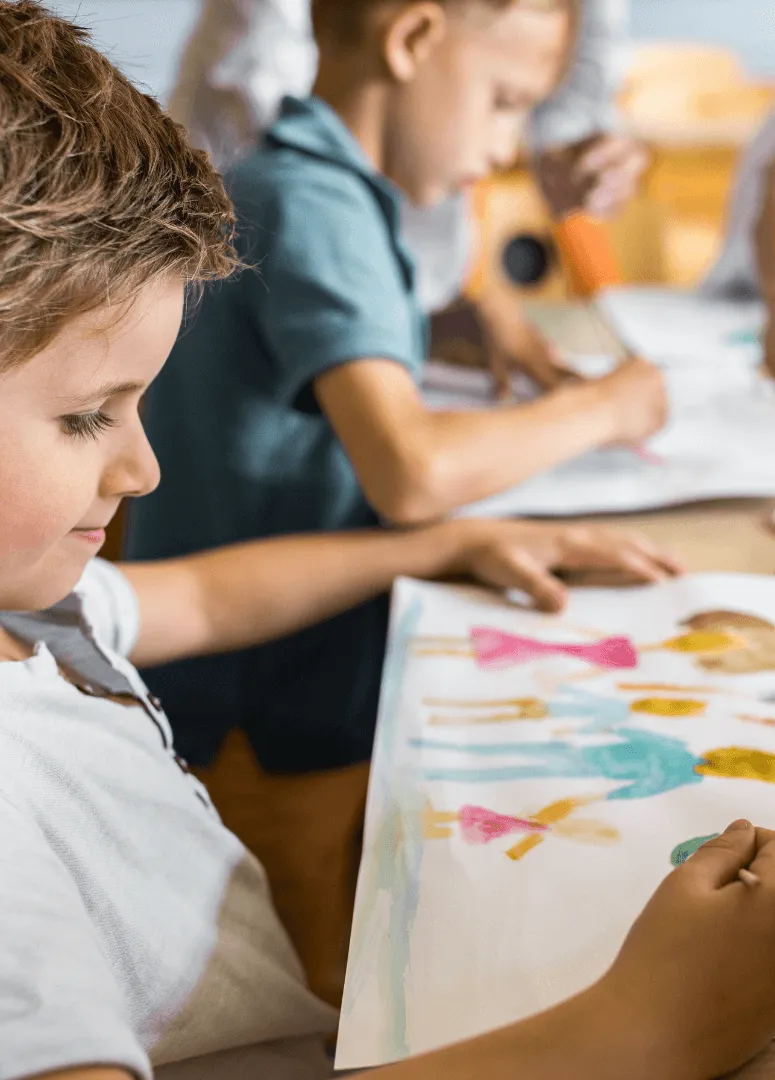
Each family member draws or paints their favorite holiday tradition and shares why it’s special.
Hang the artwork together to create a “Family Traditions Gallery.” This visual reminder helps children recognize that every family’s way of celebrating is unique—and equally beautiful.

🌟 Carrying the Magic Forward
The most meaningful learning doesn’t end with the calendar—it continues to grow, just as our little ones do. 💛
As the year closes and a new one begins, families and educators alike can nurture these trends beyond the holidays by weaving them into everyday life—turning each new day into a chance to connect, discover, and grow together.
Here are a few small but powerful ways to keep growing together:
❤️ Feelings Every Day
Keep your Feelings Jar going into the new year as a way to help children name and understand emotions. When kids reflect on how they feel, they begin to connect emotions to experiences, making them more empathetic and self-aware. You can even expand this into a weekly family check-in where everyone shares a “high” and a “low” from the week.🌍 World Wednesday
Choose one day each week to explore a new culture through food, music, or words—perhaps learning how to say “thank you” in a new language or trying a simple recipe from another country. Small, consistent moments like this help children recognize the beauty of diversity while developing curiosity and global awareness. It also opens natural conversations about kindness, respect, and inclusion.🎨 Play, Create, Explore
Encourage curiosity with hands-on projects that mix science, art, and imagination. Let your child experiment freely—painting with nature, building from recyclables, or exploring cause and effect through baking or water play. Every time they create, they’re practicing problem-solving, fine motor skills, and the confidence to think independently.💻 Tech as a Tool
Use technology intentionally to connect and create. Try video calls with grandparents to share projects, record mini “science shows,” or research topics your child loves. Technology becomes most meaningful when it brings people closer and encourages creativity rather than just consumption.🌱 Partnerships that Bloom
Learning is a shared journey between home, school, and community. Stay connected with your child’s teachers, join family events, or explore programs like Kinder Garden Academy Virtual Classroom, where learning continues beyond walls and screens. Every partnership helps children see that learning is lifelong and supported by the people who care about them most.


Not a pumpkin fan? Try a Sweet Potato Pie in a Cup!: Substitute equal parts sweet potato purée for the pumpkin. Add a pinch of cinnamon and nutmeg instead of pumpkin pie spice. For a richer flavor, mix in a drizzle of maple syrup before serving.


Long ago in a small Mexican village, the people were getting ready for Las Posadas, the Christmas celebration. Every family brought a special gift to the church; baskets of food, warm blankets, and beautiful candles.
In that village lived a little girl named Pepita. She watched her neighbors carry their gifts and felt her heart grow heavy. Her family was very poor, and she didn’t have anything to give.
One night, as Pepita walked to the church with her cousin, she stopped by the side of the road. She saw a small green plant growing from the dirt — tall, thin, and a little scraggly. Her cousin said gently,
“Even the smallest gift, given with love, is special.”
Pepita picked the plant carefully. She felt shy and worried. Would the baby Jesus even want a simple plant like this?
When she walked into the church, the warm glow of candles lit the room. Pepita placed her little plant at the front of the nativity scene. As she stepped back, something magical happened.
The thin green leaves began to turn bright, glowing red — like petals of a beautiful flower. The people gasped.
“It’s a miracle!” someone whispered.
From that night on, the plant was called La Flor de Nochebuena — The Christmas Eve Flower.
Today, we call it the poinsettia, and it reminds us that true gifts come from the heart.


Thank you for celebrating this magical season with me. December invites us to slow down, reconnect, and find joy in the simple moments, twinkling lights, warm mugs, shared stories, and laughter with the ones we love. No matter how your family celebrates, lighting the menorah, gathering around the kinara, trimming the tree, or creating new traditions of your own, I hope this month’s activities bring warmth, learning, and togetherness into your home or classroom. I’m so grateful to be part of your child’s journey. Wishing you peace, joy, and a beautiful start to the New Year. See you in January for our Winter Wonderland edition!